 EV Charger Installation
California
EV Charger Installation in California
Find EV charger installation, repair and panel upgrades across California. We connect you with independent electricians in 1,579 California communities. About 20,495 public charging stations operate statewide, but most EV miles start at home.
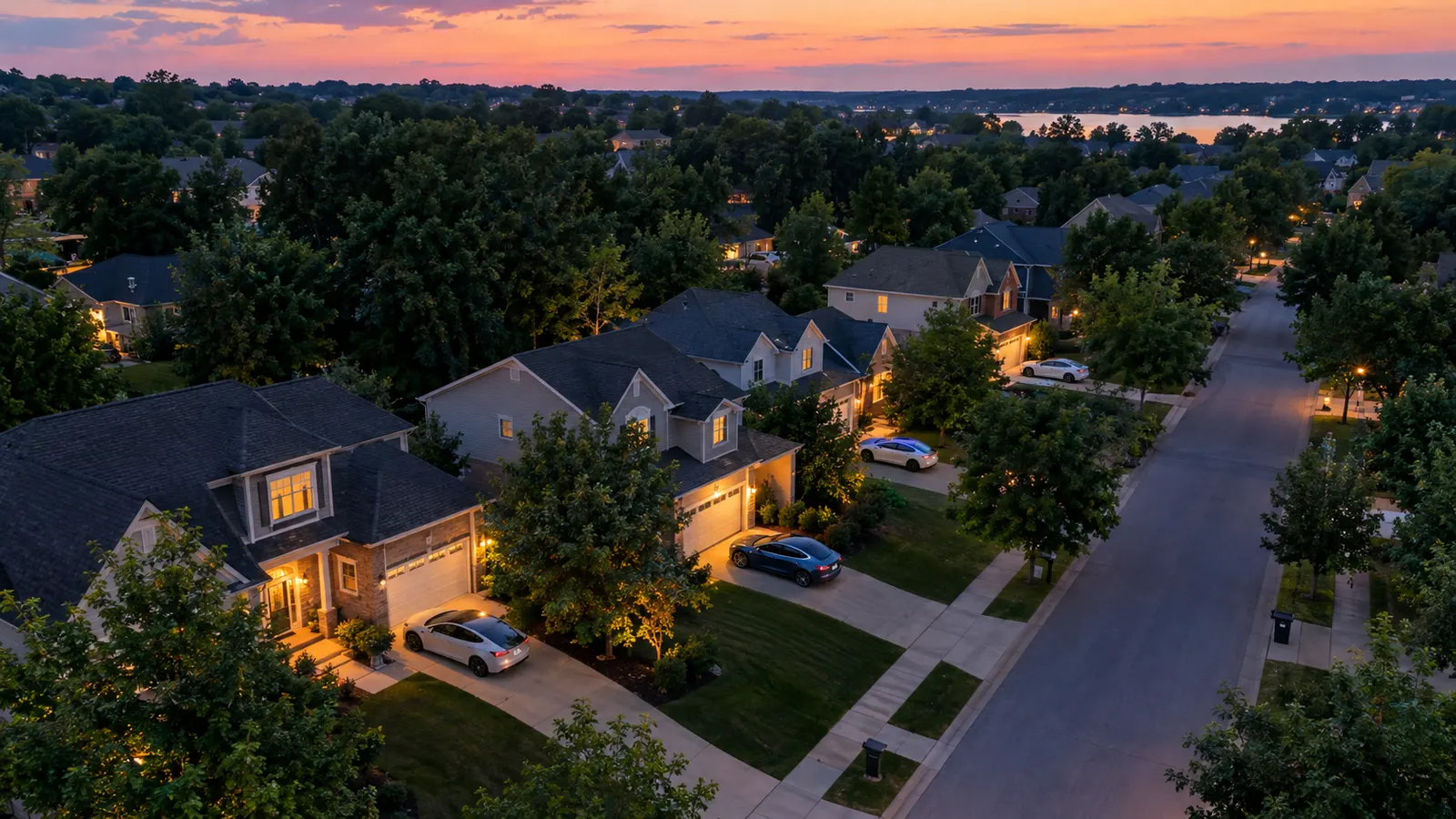
EV charging in California
California adopts its own electrical code on top of the NEC, and many cities require dedicated EV circuit permits with faster, sometimes online, permitting. Title 24 building standards push new homes toward EV readiness, but older homes often need panel work before a Level 2 charger.
Residential electricity in California averages about 31.4 cents per kWh in 2025 EIA data, so home charging costs roughly $10.45 per 100 miles. The average California home uses about 494 kWh a month, and an EV typically adds 300 to 400 kWh.
California charges an EV-specific registration fee. Roughly 20,495 public charging stations are listed statewide, and drivers most often rely on a home Level 2 charger for daily use.
California EV incentives and utility programs
The U.S. Department of Energy AFDC lists 3 for drivers and 9 for charging equipment in California, based on AFDC data retrieved November 6, 2026. Program names below come from that dataset; always confirm current status, funding and eligibility on the official program page before counting on a rebate.
Rebates, tax credits and perks
- Alternative Fuel and Advanced Vehicle Rebate - San Joaquin Valley
- Electric Vehicle (EV) Rebate - Antelope Valley
- Zero Emission Vehicle (ZEV) and Near-ZEV Weight Exemption
Home and community charging incentives
- Alternative Fuel and Vehicle Incentives
- Commercial Electric Vehicle (EV) Charger Grant: El Dorado County
- Electric Vehicle (EV) and Fuel Cell Electric Vehicle (FCEV) Grant - Bay Area
- Electric Vehicle (EV) Charger Grant – Antelope Valley
- Electric Vehicle (EV) Charger Incentives - San Joaquin Valley
- Low-Income Electric Vehicle (EV) and EV Charger Rebates: El Dorado County
- Multifamily Housing (MFH) Electric Vehicle (EV) Charger Grants
- Residential Electric Vehicle (EV) and EV Charger Rebates – El Dorado County
- Residential Electric Vehicle (EV) Charger Financing Program
Utility EV programs
None listed right now.
Laws that affect EV owners
- Alternative Fuel and Hybrid Electric Vehicle Retrofit Regulations
- Alternative Fuel Vehicle (AFV) Parking Incentive Programs
- Electric Vehicle (EV) Charger Building Standards
- Electric Vehicle (EV) Charger Policies for Multifamily Housing
- Electric Vehicle (EV) Charging Electricity Exemption
- Electric Vehicle (EV) Charging Policies for Residential and Commercial Renters
- Electric Vehicle (EV) Parking Space Regulation
- Establishment of a Zero Emission Medium- and Heavy-Duty Vehicle Program
- Zero-Emission Airport Shuttle Requirement
Recently ended programs: Electric Vehicle (EV) Charger Incentive Program Support, Clean Vehicle Rebate - El Dorado County, High Occupancy Vehicle (HOV) and High Occupancy Toll (HOT) Lane Exemption, Plug-In Hybrid and Zero Emission Light-Duty Vehicle Rebates, Electric Vehicle (EV) Grants, Voluntary Vehicle Retirement Incentives - San Joaquin Valley and South Coast. Federal EV purchase credits ended September 30, 2025, and the Section 30C charger credit ended June 30, 2026.
Permits and code in California
A new EV charging circuit is permitted electrical work in most of California. The electrician sizes the breaker, wire and GFCI protection to the National Electrical Code, including Article 625, pulls the permit and schedules the inspection. California adopts its own electrical code on top of the NEC, and many cities require dedicated EV circuit permits with faster, sometimes online, permitting. Title 24 building standards push new homes toward EV readiness, but older homes often need panel work before a Level 2 charger.
California EV charging questions
Are there EV charger rebates in California?
The U.S. Department of Energy AFDC lists 3 for drivers and 9 for charging equipment in California, plus 33 utilities with residential EV programs. The federal Section 30C charger credit ended for property placed in service after June 30, 2026.
How much does it cost to charge an EV in California?
Residential electricity in California averages about 31.4 cents per kWh in 2025 EIA data, so home charging costs roughly $10.45 per 100 miles. The average California home uses about 494 kWh a month, and an EV typically adds 300 to 400 kWh.
Do I need a permit for a home charger in California?
Most California cities and counties require an electrical permit and inspection for a new 240-volt circuit. The installing electrician normally handles it.
Does California charge an EV registration fee?
California charges an EV-specific registration fee.